October 15, 2026
Uncover the pivotal role that HVAC companies play in enhancing energy efficiency in your home, providing a more sustainable and cost-effective living environment. Modern HVAC systems are at the forefront of technological advancements aimed at reducing energy consumption. By choosing a reliable HVAC company, homeowners can ensure that their systems are running as efficiently as possible. Apart from the long-term financial benefits, there are significant environmental advantages to improving your home’s energy efficiency. Whether it's through regular maintenance, system upgrades, or leveraging renewable energy, HVAC companies offer comprehensive solutions to energy inefficiencies.
Assessing Current Energy Usage
Before any upgrades or changes can be made, the initial step involves a thorough assessment of your home's current energy usage. An energy audit conducted by an HVAC company provides an in-depth analysis of areas prone to energy wastage. The audit begins with scrutinizing your home’s insulation, HVAC system, and even its lighting to identify potential inefficiencies. Reviewing past energy bills is essential to spot trends and spikes in usage that may indicate inefficiencies. Utilizing advanced diagnostic tools, HVAC experts can generate detailed reports that pinpoint exactly where your home is leaking or wasting energy.
After identifying inefficiencies, the HVAC company will formulate a customized energy efficiency plan tailored to your home’s unique needs. This involves setting achievable goals and timelines for improvements, complete with estimated financial savings. Homeowners are often surprised to learn how daily habits and equipment standards can lead to substantial energy loss over time. Based on this assessment, a comprehensive strategy is developed to address varying facets of energy usage. The HVAC company may recommend both immediate fixes and long-term strategies for sustained energy efficiency, ensuring a roadmap is in place to reach optimal performance.
Upgrading to Energy-Efficient HVAC Systems
One of the primary ways an HVAC company can improve energy efficiency is through upgrading to modern HVAC systems. These systems often come with advanced features designed to provide maximum comfort with minimal energy usage. Benefits of modern HVAC technologies include improved component designs, smart thermostat integrations, and automated system operations. For instance, SEER (Seasonal Energy Efficiency Ratio) and AFUE (Annual Fuel Utilization Efficiency) ratings are essential when considering upgrades, as they indicate better performance and reduced energy use. Higher SEER and AFUE ratings in modern systems translate to lower utility bills and enhanced system reliability.
A significant barrier to upgrading HVAC systems is the perceived cost; however, numerous financing options and incentives are available to ease this transition. Many governmental and local programs offer rebates, tax credits, or low-interest financing schemes for energy-efficient upgrades. HVAC companies often help homeowners navigate these options, aligning financial capabilities with energy-saving solutions. Ultimately, while the initial investment may be higher, the long-term savings and increased home value far outweigh the costs. According to This Old House, in the standard American home, about 52% of the energy used will be for heating and cooling, highlighting the importance of investing in efficient systems.
Performing Regular Maintenance and Its Impact
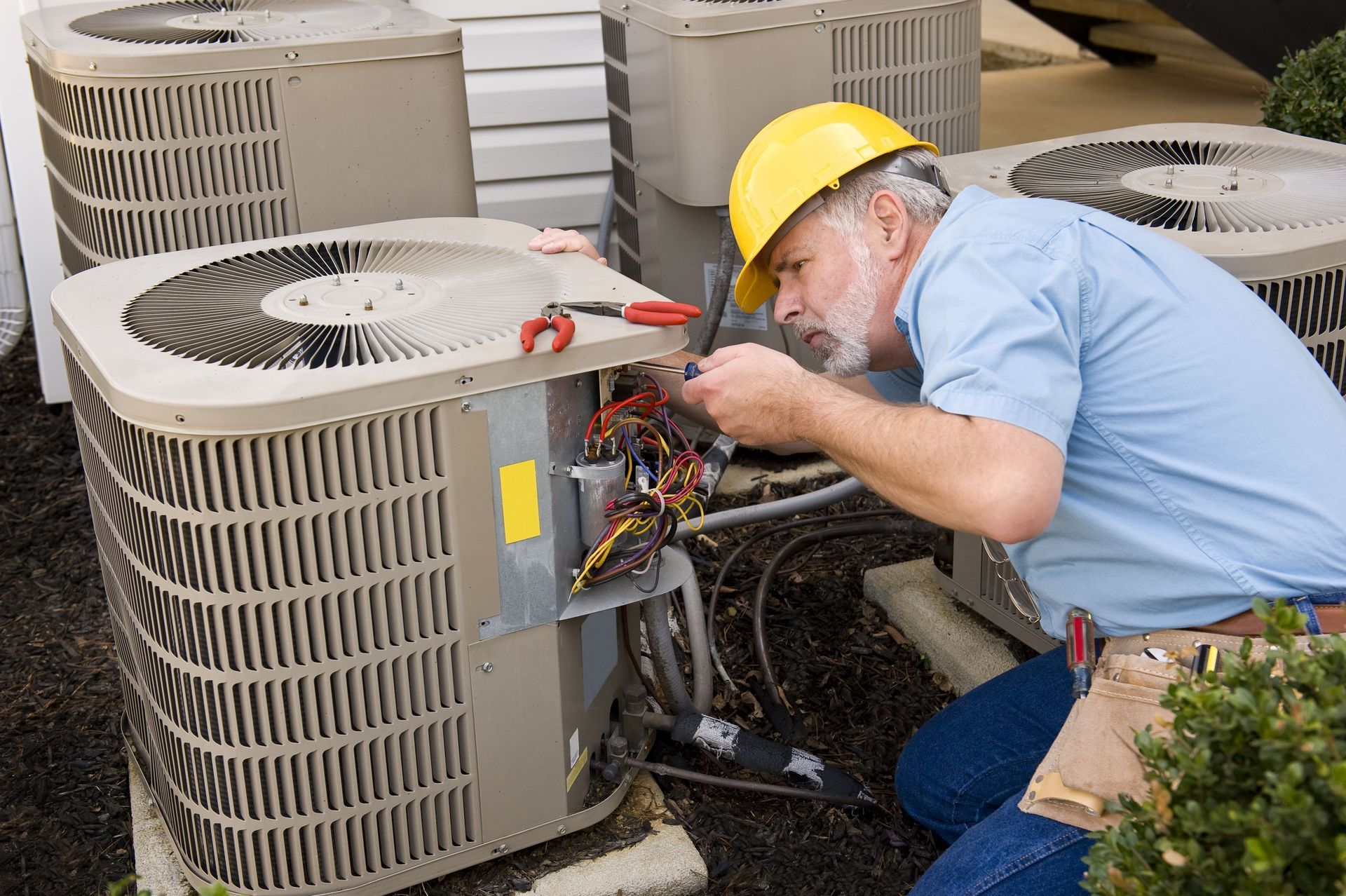
Routine maintenance plays a crucial role in maintaining optimal energy efficiency for HVAC systems. Regular inspections by a qualified HVAC professional can reveal issues before they escalate into significant problems. Scheduled HVAC inspections ensure every component operates smoothly and that systems function as designed. Efficient filter replacement is another cornerstone of HVAC maintenance; dirty or clogged filters force systems to work harder, consuming more energy. Typically, filters should be replaced every 90 days depending on usage and environmental factors.
Beyond filter replacement, cleaning coils and ducts improves system efficiency by ensuring unobstructed airflow. Dirty coils can reduce system efficiency by up to 30%, leading to increased energy consumption and costs. Duct cleaning prevents the buildup of dust and debris that could otherwise obstruct airflow and strain the HVAC system. Adjusting and repairing components that have shifted, corroded, or worn out over time is also a fundamental part of regular maintenance. Each of these measures contributes significantly to the overall efficiency and longevity of HVAC systems.
Sealing Ductwork to Prevent Energy Loss
Sealing ductwork is a fundamental practice in reducing energy loss within the home, as leaks can account for up to 20% of energy wasted in distribution. By identifying problematic duct regions, HVAC companies can ensure the efficient flow of air through the home. Common signs of poor ductwork sealing include rooms that are difficult to heat or cool and excessively high energy bills. Techniques for sealing ducts include using mastic sealant or metal tape to cover leaks and weak points. Properly sealed ductwork ensures that the conditioned air reaches its intended destination without loss.
Beyond sealing, the importance of proper insulation along the ductwork cannot be overstated. Proper insulation minimizes energy loss as conditioned air travels through the ducts, maintaining consistent temperatures throughout the home. Ducts pass through unconditioned spaces such as attics and basements, making them susceptible to temperature losses. HVAC companies conduct detailed airflow testing to confirm proper air distribution, ensuring no leaks compromise system efficiency. These professional assessments guarantee that every portion of the system works harmoniously to reduce overall energy consumption.
Enhancing Insulation and Ventilation
Enhancing your home's insulation is one of the most effective ways to improve your energy efficiency, with around 25% of energy loss occurring through the roof. Choosing the right insulation materials, such as fiberglass, cellulose, or spray foam, is crucial in maximizing energy retention. Each material has its R-value, indicating its resistance to heat flow, with higher R-values offering better insulation. Improving attic insulation is especially critical, as it can have a significant impact on your overall energy consumption. HVAC companies can assess insulation needs and recommend the best solutions tailored to your home’s architecture.
Balancing ventilation for maximum efficiency involves managing airflow without compromising comfort or air quality. Proper ventilation removes heat, dampness, and pollution while supplying fresh outdoor air, crucial for maintaining indoor air quality. However, well-balanced ventilation systems prevent overcooling or overheating, reducing unnecessary energy consumption. A professional HVAC company advocate for strategic ventilation upgrades that align with insulation improvements to sustain energy efficiency. Considering that nearly half of the energy used in typical American households goes towards heating and cooling, optimizing insulation and ventilation can dramatically lower energy usage.
Implementing Renewable Energy Solutions
Renewable energy solutions, such as solar heating systems, can significantly improve your home’s energy efficiency. With tax incentives and rising utility costs, adopting solar power is both a cost-effective and environmentally conscious choice. Solar panels harness sunlight to generate electricity, reducing dependency on non-renewable sources. HVAC companies can integrate these systems with existing HVAC setups to ensure smooth operation and consistent energy supply. The integration process involves assessing sun exposure, roof space, and energy needs to customize sustainable solutions.
Utilizing geothermal heat pumps is another innovative way to enhance energy efficiency. These systems leverage the earth’s stable underground temperatures to transfer heat, offering a renewable alternative to conventional HVAC systems. By drawing heat from the earth in winter and dissipating heat back into the ground in summer, geothermal systems can reduce energy consumption. HVAC companies specialize in installing and maintaining these complex systems, ensuring optimal performance. Benefits also extend to minimal environmental disturbance and lower operational costs over time.
Through comprehensive assessments, strategic upgrades, and state-of-the-art technologies, an HVAC company can make it possible to achieve sustainable living. Whether it’s regular maintenance, enhancing insulation, or integrating renewable energy solutions, professionals can guide homeowners to more efficient energy use. Improved energy efficiency not only reduces costs but also contributes significantly to environmental conservation. Encouraging homeowners to consider professional HVAC services is a critical step toward achieving a greener, more sustainable future.
Maximize your home's energy efficiency and keep your indoor comfort optimal year-round by contacting American Comfort Solutions today!